Air Quality
Indoor Air Quality

5 Tips to Improve Your Home andapos;s Air Quality

Learn how small changes can make a big difference in your indoor air quality and your family andapos;s health. Florida andapos;s humid climate presents unique challenges.

Proper indoor air quality is essential for your health and comfort. Here are five actionable tips to help you breathe easier in your Florida home.

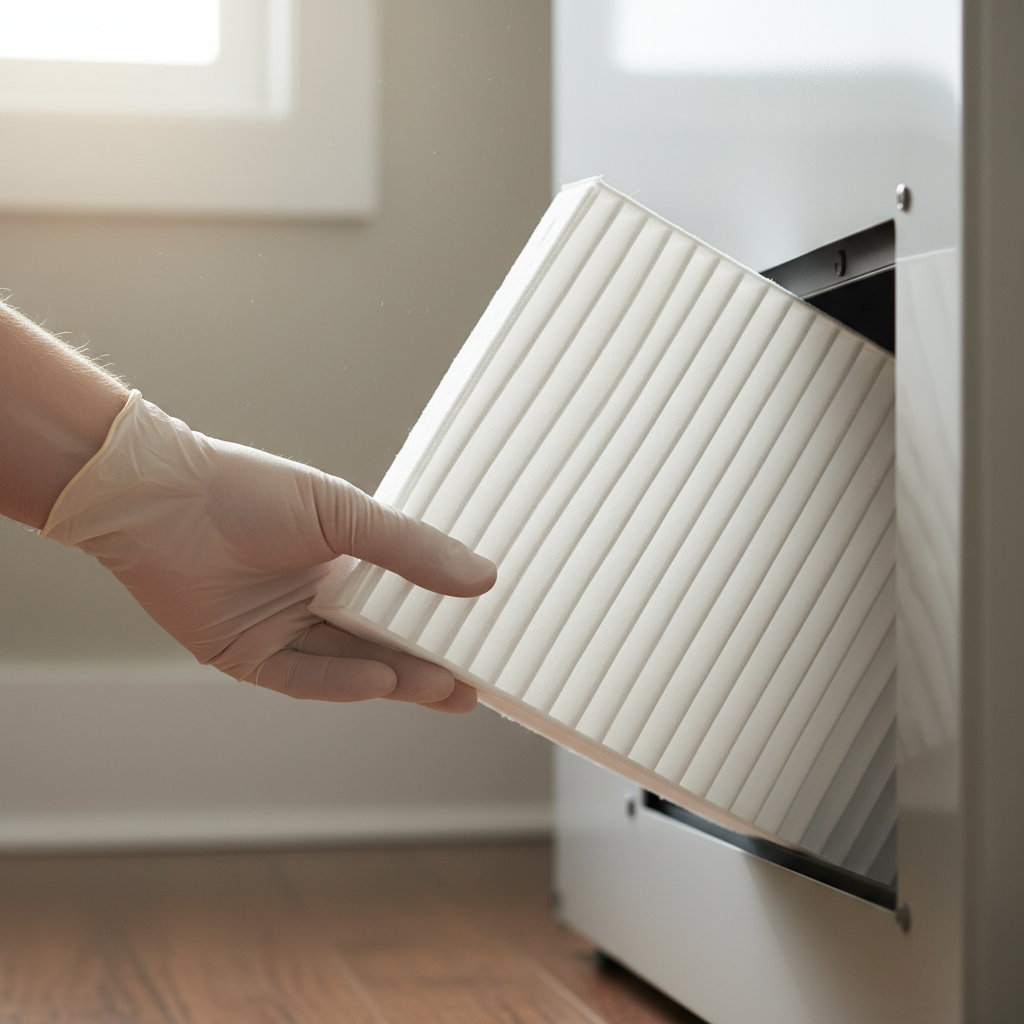
1. Change Your Air Filter Regularly

One of the simplest ways to improve air quality is to change your HVAC filter every 1-3 months. A dirty filter restricts airflow and circulates pollutants throughout your home.

2. Invest in an Air Purifier

HEPA air purifiers can remove up to 99.97% of airborne particles, including dust, pollen, pet dander, and mold spores.

3. Control Humidity Levels

Florida andapos;s high humidity can lead to mold growth and poor air quality. Keep indoor humidity between 30-50% with a quality dehumidifier.

4. Schedule Regular Duct Cleaning

Over time, dust, debris, and allergens accumulate in your ductwork. Professional duct cleaning can significantly improve your air quality.

5. Keep Your HVAC System Maintained

Annual maintenance ensures your system is running cleanly and efficiently, providing better air quality throughout your home.

Contact Us for Air Quality Solutions
SEER Rating
Energy Efficiency

Understanding Your A/C andapos;s SEER Rating

What SEER means for efficiency and your energy bills. Learn how to choose the right system for maximum savings.

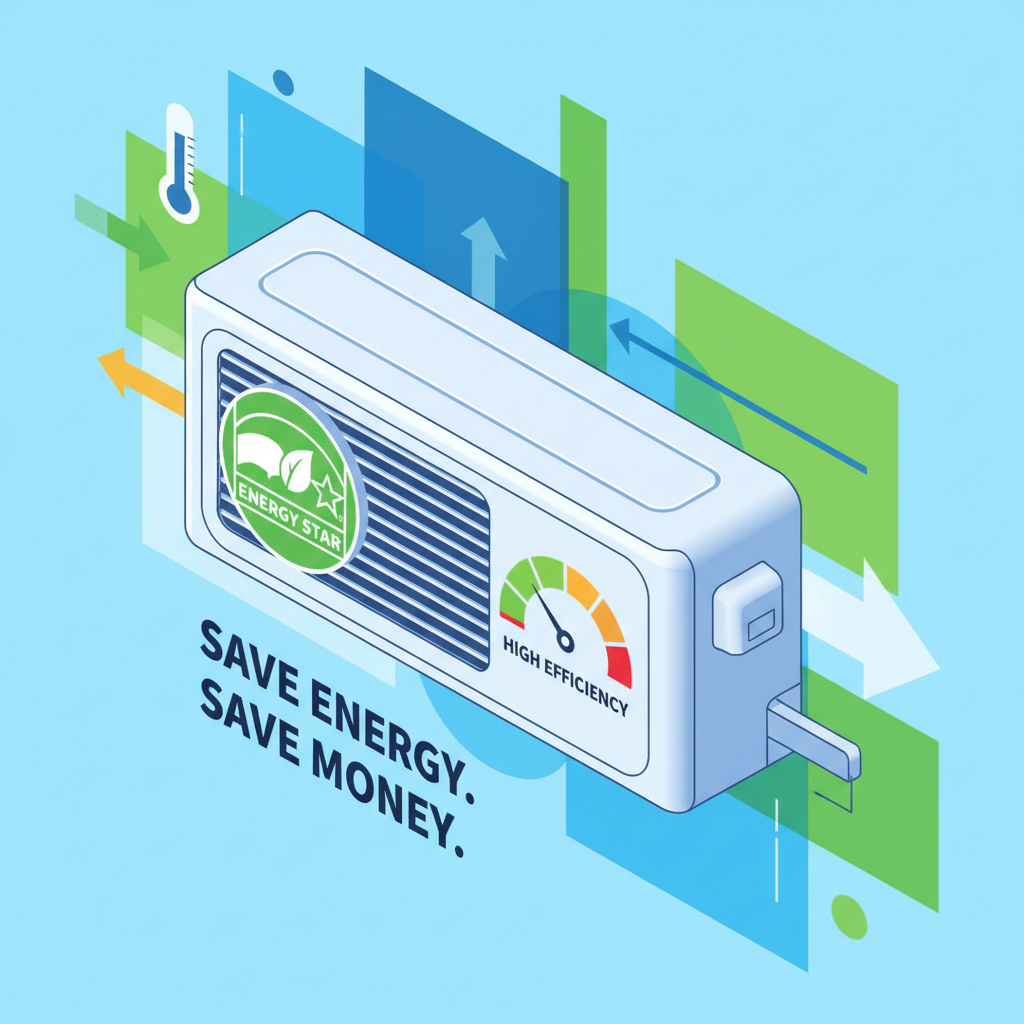
SEER stands for Seasonal Energy Efficiency Ratio. It measures how efficiently an air conditioning system operates over a typical cooling season.

What is a Good SEER Rating?

Modern AC units range from 13 to 25+ SEER. Higher SEER ratings mean better efficiency. For Florida homes, we recommend minimum 14-15 SEER, with 18+ being ideal for maximum savings.

Benefits of High SEER Systems

  • Lower monthly energy bills
  • Reduced environmental impact
  • Better humidity control
  • Quieter operation
  • Longer system lifespan

Is Upgrading Worth It?

If your current system is over 10 years old, upgrading to a high-SEER unit can save you 20-40% on cooling costs. Contact us for a professional assessment and recommendation.

Learn About New Efficient Systems
Preventative Maintenance
Maintenance

Preventative Maintenance: Why It Matters

The hidden benefits of regular HVAC check-ups for longevity, performance, and savings.

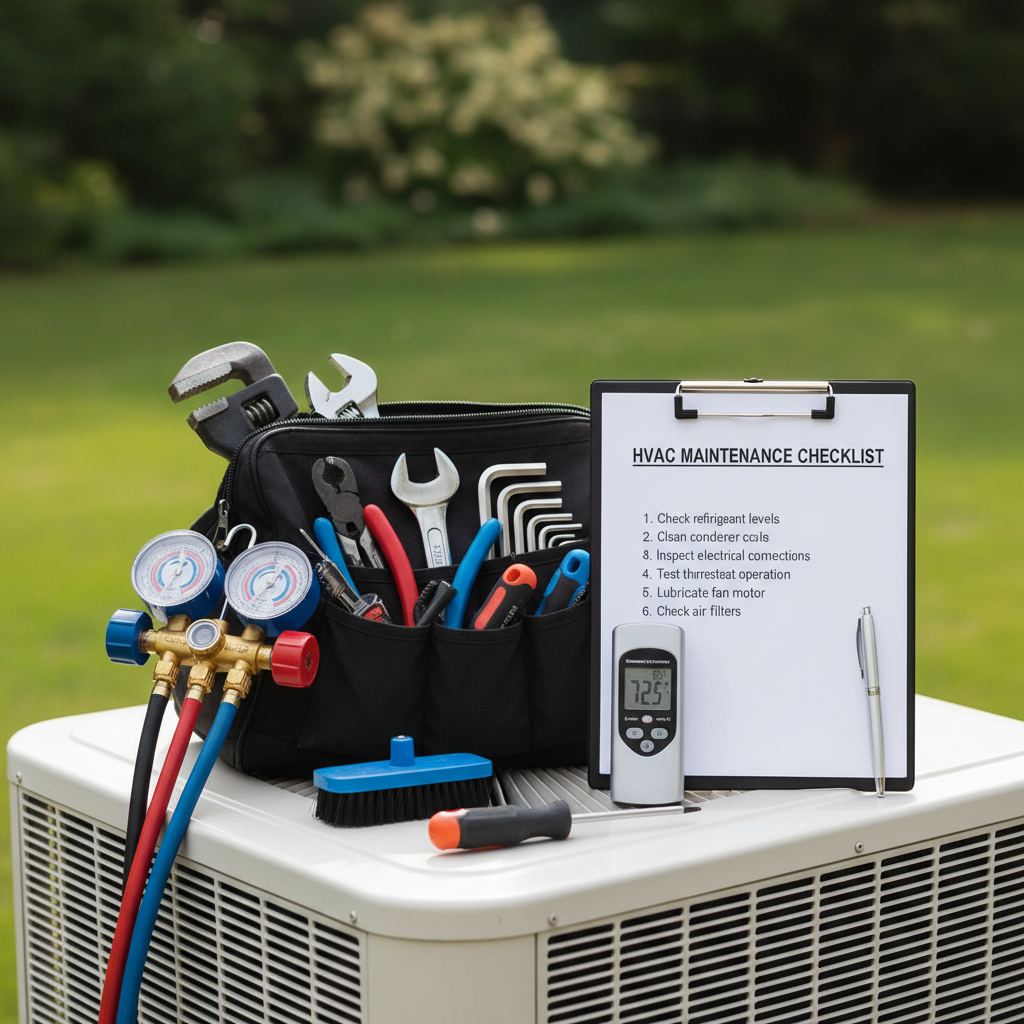
Many homeowners only call an HVAC technician when something breaks. But preventative maintenance can save you money, time, and stress in the long run.

Benefits of Regular Maintenance

1. Extended Equipment Life

Regular maintenance can extend your HVAC system lifespan by 5-10 years. Clean components experience less wear and tear.

2. Lower Energy Bills

A well-maintained system runs more efficiently, using less energy to cool your home. You could save 15-25% on your energy bills.

3. Fewer Repairs

Preventative maintenance catches small problems before they become expensive emergencies. A $100 maintenance visit can prevent a $1,000 repair.

4. Better Air Quality

Clean filters, coils, and ducts mean cleaner air circulating through your home. This is especially important for families with allergies or asthma.

5. Warranty Protection

Most HVAC warranties require annual professional maintenance. Skipping maintenance could void your warranty.

Schedule your annual maintenance today and keep your system running smoothly year after year.

Schedule Maintenance
AC Troubleshooting
Troubleshooting

Common AC Problems and How to Fix Them

Before calling for service, try these simple troubleshooting tips that might save you a service call.

When your AC stops working, it can be stressful. Here are some common issues and simple solutions you can try before calling a professional.

AC Not Turning On

  • Check thermostat settings and batteries
  • Verify circuit breaker has not tripped
  • Make sure the air filter is not clogged
  • Check the condensate drain is not blocked

AC Running But Not Cooling

  • Check and replace air filter
  • Clean outdoor unit coils
  • Verify refrigerant levels
  • Check for ice on coils (may indicate refrigerant issue)

Unusual Sounds or Smells

Grinding, squealing, or banging sounds often indicate mechanical problems. Musty smells suggest mold in ductwork. Burning smells require immediate professional attention.

If troubleshooting does not resolve the issue, contact our expert technicians for fast, reliable service.

Get Expert Help
Seasonal Prep
Seasonal Tips

Prepare Your HVAC for Florida Seasons

Get your system ready for the changing seasons with these essential preparation tips.

Florida andapos;s weather can be unpredictable. Here is how to prepare your HVAC system for each season.

Before Summer (April-May)

  • Replace air filters
  • Schedule professional maintenance
  • Clean outdoor unit
  • Test thermostat operation
  • Check refrigerant levels

Before Winter (October-November)

  • Test heating system
  • Replace filters
  • Inspect ductwork for leaks
  • Check heat pump operation
  • Consider a smart thermostat upgrade

Year-Round Maintenance

Keep landscaping trimmed around outdoor units, change filters regularly, and monitor your energy bills for unusual spikes. These habits help maintain system efficiency and catch problems early.

Schedule Seasonal Maintenance

Trusted by Leading Brands

Have Questions About Your HVAC?

Our team is here to help. Contact us for expert advice and professional service.

Contact Us